Point 1 of 6 · The pole
Private poles and lines in Victoria: what an owner looks after
If power reaches your buildings over poles and wires on your own land, Victoria’s Electricity Safety Act makes the occupier responsible for maintaining that private line, and the distributor must inspect it at times the regulations set. CitiPower describes these lines as serving rural properties and their buildings, so if your house is fed by one span from a street pole, the service line guide is the closer fit.
General information about Victoria, not advice about your property. Energy Safe Victoria and your electricity distributor are the places to check.
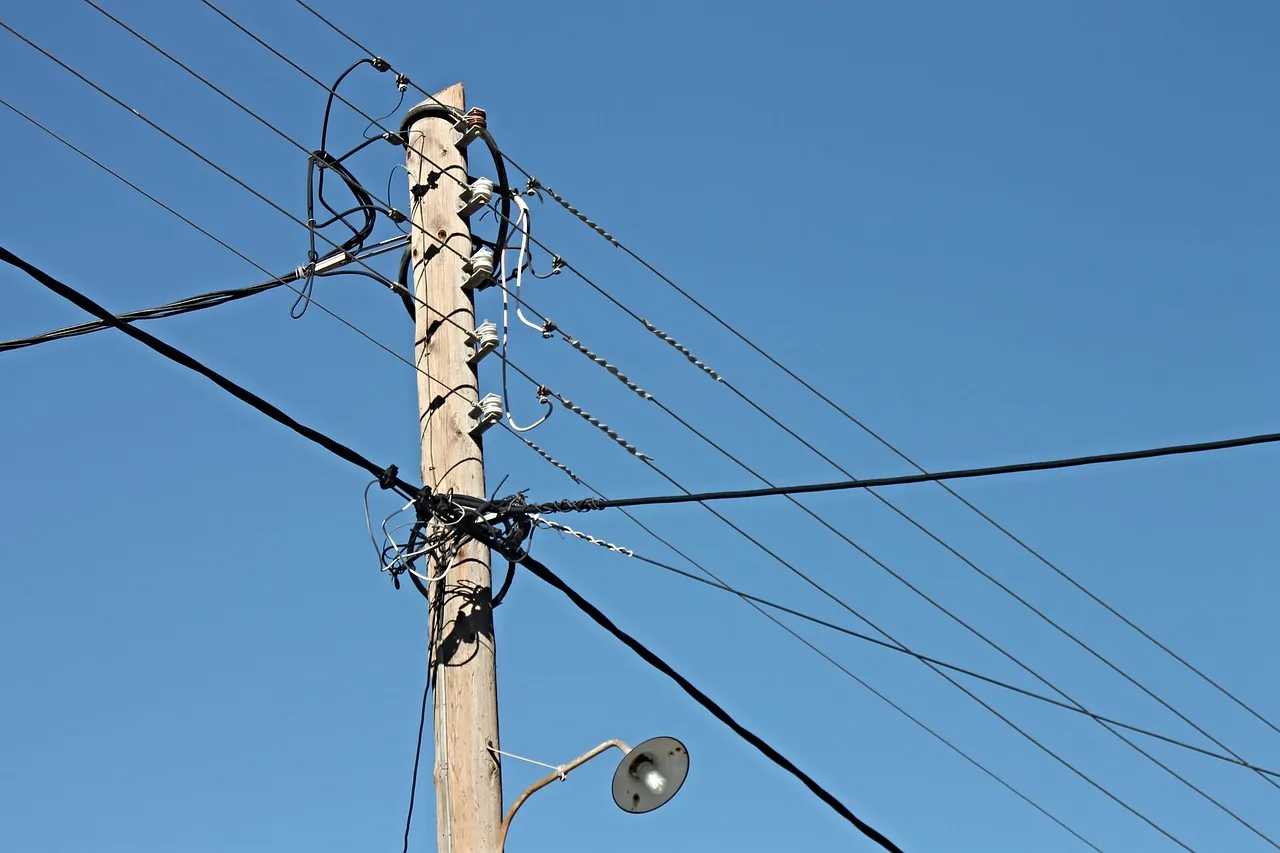
What counts as a private line
CitiPower describes a private electric line as privately owned poles and lines together, or only a section of line. As its page read on 8 October 2026, it counted more than 19,000 customers with one across its networks.
Energy Safe Victoria calls the overhead kind private aerial lines: low voltage poles and wires, bare or insulated, that “form part of the electrical installation of the property”. The Electricity Safety (General) Regulations 2019 go further and count a pole holding up a supplier’s aerial line as part of a private aerial line, unless that pole belongs to the network of a major electricity company.
The CFA, on its farm fire safety page, puts the boundary in rural terms: a property owner with private powerlines is responsible for everything past the point where the distribution network meets the first pole on the property.
What the owner looks after
CitiPower’s brochure for owners says every electrical asset on the property, private power poles, power lines and pole-top fittings included, has to be properly maintained so it poses no bushfire or safety risk. The CFA adds, for landowners and farm managers, that private powerlines must be kept in good condition and clear of vegetation.
Trees count. Energy Safe’s vegetation brochure says you are responsible for cutting trees on your property that may interfere with your own service line or private line, or with a private line on the neighbouring property.
The work itself is not the owner’s to do. CitiPower says any work at all on a private electric line can be done by a Registered Electrical Contractor and nobody else.
Inspections: four sources, four ways of putting it
The law sets the cycle; the regulator and the distributor each summarise it in their own words. They are shown side by side rather than merged.
| Source | What it says |
|---|---|
| Electricity Safety (Bushfire Mitigation) Regulations 2023, regulation 10 | No later than 37 months after the last inspection for lines in hazardous bushfire risk areas, and no later than 61 months for lines elsewhere. |
| Energy Safe Victoria | “Normally no later than 37 months, or under some circumstances, not exceeding five years from the date of the previous inspection.” |
| CitiPower and Powercor brochure | Up to the first switchboard, at least every three years in hazardous bushfire risk areas and at least every five years in low bushfire risk areas. |
| CitiPower’s private electric lines page | Every three years. |
The same regulations set when the notice of an inspection arrives: no more than 45 days and no fewer than 21 days beforehand. They also leave out the part of the line installed after it connects to a building or other structure (not counting a pole).
If a defect notice arrives
Energy Safe says that where an inspection finds defects, the distribution business gives written notice of the work needed, called a Defect Notice, and “further re-inspections may then happen to check or verify that any defects have been addressed.” An owner who doesn’t fix them may be referred to Energy Safe, and unsafe installations may be disconnected.
CitiPower’s brochure divides the repair two ways. Defects that aren’t about vegetation need a Registered Electrical Contractor; vegetation defects can be fixed by a tree services professional, after which the owner must tell CitiPower in writing. If it finds something dangerous on an inspection, CitiPower says it may have to cut the supply with no prior notice.
Getting the power back has its own condition. Energy Safe: “The electricity distribution company will only reconnect power to a PAL once a Certificate of Electrical Safety (COES) is issued by a licensed electrician or Registered Electrical Contractor (REC).”
When a line has to go underground
CitiPower’s page starts its list with “Unless alternative compliance applies, undergrounding private powerlines is mandatory if:” and gives two cases:
- repairs or replacement are needed on over 20 per cent of the poles, the cable spans or the wires
- it runs through a Hazardous Bushfire Risk Area (the Country Fire Authority declares these).
The General Regulations put the bushfire rule in law: a private line built, or substantially rebuilt, in a hazardous bushfire risk area must go underground. Energy Safe notes that those areas are designated by the CFA. The same Regulations allow one alternative (regulation 235). An existing private service line, which they define as a single span from distribution company equipment on private land to a building, may be rebuilt overhead if it is outside an electric line construction area and uses aerial bundled cable, an overhead break-away device approved by Energy Safe Victoria at the distribution company’s pole, and, at its origin, an over-current protective device (not a fuse) that can be operated from the ground. Energy Safe says it may also grant an exemption, on an application under regulation 701, for a private overhead line to stay overhead.
Energy Safe’s typical process begins the same way whatever the outcome: “The property occupier contacts a Registered Electrical Contractor (REC) to have a licensed electrician assess what work needs to be done, determining if the PAL can be repaired, or if it meets the thresholds for substantial reconstruction (per the Regulations).”
The other points on the path
A registered electrical contractor can assess the poles, wires and fittings on a property and explain what a defect notice is asking for, before the deadline on it.